
Congratulations to the candidates who were recently elected to the 2027 Term for the ASCA Board of Directors!
President-Elect (Term Beginning 2027)
President Responsibilities
- Serve in accordance with applicable sections of the all governance documents of the Association
- Serve as Chair of the Board of Directors and the presiding officer at all meetings of the Association and the Board of Directors
- Chair the Executive Committee (which considers business operations that arise outside of normal Board meetings).
- Together with the Treasurer and Executive Director, and upon approval by a majority vote of the Board of Directors in accordance with the Operating Policy and Procedures, be authorized to enter into contractual obligations on behalf of the Association.
- Together with the Executive Director, serve as a liaison to the Gehring Academy Chair.
- Represent ASCA at annual meetings for the Council of Higher Education Management Association (CHEMA) and/or other association-sponsored events.
To review full position description, click here.

Why do you want to serve as the President of ASCA Board of Directors?
My first ASCA Annual Conference experience was in 1997 when I attended as a graduate student, back when the organization was known as ASJA. The impact of that conference was profound, and it remains one of the most memorable professional experiences of my early career. Although I did not begin attending regularly until 2008, I was encouraged from the outset to fully immerse myself in all that the association had to offer.
Throughout my involvement with ASCA, the association has provided invaluable knowledge, resources, and professional development opportunities that have strengthened my effectiveness as a student conduct professional. Equally important, it has connected me with colleagues who have become trusted mentors, collaborators, and friends. My membership in ASCA has contributed significantly to both my personal and professional growth.
As my engagement with the association deepened, the individuals who supported and encouraged me continued to challenge me to expand my involvement and pursue greater leadership opportunities. Inspired by their guidance, I sought ways to give back through volunteer leadership roles and service wherever my contributions could be helpful. I am deeply committed to supporting the organization that has invested so much in my development over the years.
Serving as President would provide an opportunity to help ensure that others experience the same sense of belonging, growth, and professional fulfillment that ASCA has provided me. I have often shared with colleagues that I view student conduct work as a ministry. While that perspective may seem unconventional to some, it is grounded in the belief that accountability and discipline can be expressions of care and support. More importantly, it reflects a philosophy that extends beyond religious boundaries and aligns with an educational approach that emphasizes learning, growth, and development through our mistakes.
I firmly believe that the knowledge, skills, and professional connections cultivated through ASCA equip our members to better serve students, particularly those who are the most difficult to reach. By doing so, we can help shift student conduct from a process that feels merely transactional to one that is truly transformative. Supporting the professionals who dedicate themselves to student success is a passion of mine, and it is the primary reason I seek the opportunity to serve as President of the ASCA Board of Directors.
The role of the President requires experience, an inclusive mindset, decision-making ability, and strategic thinking. What skills do you have that will enable you to accomplish the Association’s goals?
I believe my experience, leadership background, and commitment to professional service have prepared me well to serve as President of ASCA and to help advance the association's strategic goals. With 30 years of experience in student affairs and nearly 20 years in student conduct, I have developed the knowledge, perspective, and expertise necessary to lead through both opportunities and challenges facing our profession.
Throughout my career, I have successfully led complex organizations and teams, including serving as pastor of a congregation of more than 700 members and as President or Chairperson of numerous professional and community-based organizations. These leadership experiences have strengthened my ability to build consensus, manage competing priorities, develop future leaders, and guide organizations toward achieving their mission and vision.
In higher education, I have directed residence life and student conduct operations across multiple campuses, collaborating with a wide range of internal and external stakeholders to enhance student success and institutional effectiveness. These experiences have reinforced the importance of fostering meaningful partnerships, supporting professional development, and ensuring that faculty, staff, and students have access to the resources they need to thrive.
One of my greatest strengths as a leader is my ability to bring people together around shared goals while valuing the diverse perspectives they contribute. I welcome thoughtful dialogue and constructive debate because I believe the strongest decisions emerge from inclusive discussions and the collective wisdom of committed professionals. I trust the expertise of those I work alongside and actively seek their input when addressing important challenges and opportunities.
Transparency, accountability, and trust are fundamental to my leadership philosophy. As President, I would be committed to maintaining and building upon the culture of openness established by our current leadership. I believe this approach is essential to fostering confidence in the Board, ensuring that all members feel valued and included, and creating an environment where diverse voices are heard and respected.
Most importantly, I am committed to helping ASCA remain a forward-thinking and strategic organization. By encouraging innovation, engaging our members, and making informed decisions that align with our mission and values, I will work to ensure that the association continues to grow, evolve, and provide meaningful support to the professionals who serve students every day. My goal as President would be to leverage my experience, leadership, and passion for the profession to move ASCA forward while strengthening its impact on current and future members.
Why did you become involved in the Association, and what has your involvement looked like over time?
My involvement in ASCA began with a desire to give back to the association and its members while continuing my own professional growth and learning. I first volunteered at an Annual Conference during conference check-in, which sparked a deeper commitment to serving the organization. Since then, I have contributed in a variety of leadership and service roles, including serving on the Conflict Resolution Community of Practice (CoP), the Membership Committee, and as a State Coordinator. I have also served as Programming Coordinator for the Annual Conference Committee and as Director-at-Large for Small Institutions. In addition, I have had the privilege of supporting the development of student conduct professionals as faculty for Student Conduct 101 and 301, as well as serving as Gehring Academy faculty for both in-person programs and mini-tracks.
Throughout my career, I have demonstrated a consistent commitment to servant leadership, organizational governance, and community engagement. In addition to my professional responsibilities in student conduct administration, I served as Senior Pastor of a congregation of more than 700 members in Augusta, Georgia, where I provided strategic vision, developed leaders, managed resources, and guided the growth of a complex organization. I currently serve as Youth Pastor and Director of Christian Education at a church in Jonesboro, Georgia, continuing to lead programs, mentor emerging leaders, and foster community engagement.
My dedication to service extends beyond the workplace and church, as I actively contribute to my local community through service on my homeowners association board. Professionally, I have supervised more than 30 student and professional staff members, advised student organizations, managed departmental and organizational budgets, and led collaborative initiatives involving internal and external stakeholders. These experiences have strengthened my ability to build consensus, develop effective teams, manage organizational operations, and advance strategic priorities. Collectively, they have prepared me to provide strong, collaborative leadership and effectively serve an association while representing the interests of its members and stakeholders.
I will work to advance ASCA’s core values in the following ways:
Advocacy – Serving as the voice of student conduct practitioners and the profession of student conduct administration both internally within the association as we meet our goals and objectives to advance the field as well as externally if there is legislation that may impede or hinder our work as conduct administrators.
Belonging – Providing a place for conduct professionals to talk with others who “get it.” And to have a support system where they can feel free to talk about the various issues and concerns related to their work to find the guidance and support they need to continue.
Education – Ensure that the association is continuing to serve as a resource to all members, both seasoned and new professionals. Give our membership a platform to share knowledge and experience and provide opportunities for members to grow and develop themselves.
Equity and Intentional Inclusion – Allow our members to be their authentic selves. Demonstrate not only an inclusive environment, but an environment that embraces our differences.
Wellness – Emphasize and promote physical, mental, emotional, and spiritual wellness to those who have a desire to grow in these areas.
Throughout my leadership journey, I have often worn multiple hats; however, the role that has most consistently defined my approach is that of a servant-leader. As I reflect on the responsibilities of the ASCA President and my experience serving on the Board of Directors as a Director-at-Large, I recognize that an equally important role is that of a coach. Effective coaching is rooted in the belief that organizations achieve their greatest success when they intentionally invest in the growth, development, and well-being of their people.
A coaching-centered approach to leadership focuses on empowering individuals to maximize their strengths and contributions in support of the association's mission and vision. By fostering meaningful relationships, providing encouragement, and creating opportunities for leadership development, a coach helps individuals thrive while strengthening the collective effectiveness of the organization. For ASCA, this approach aligns directly with our core values. When board members experience advocacy, belonging, educational support, inclusivity, and wellness in their interactions with association leadership, they are better equipped to model those same values in their work with committees, communities of practice, and the broader membership.
While achieving organizational goals and advancing strategic priorities remains essential, sustainable success is built on more than outcomes alone. Behind every accomplishment are relationships grounded in trust, respect, and mutual accountability. Coaching helps cultivate those relationships by creating an environment where individuals feel valued, supported, and empowered to contribute their best work. As President, I would seek to foster a culture where people are challenged to grow, encouraged to lead, and inspired to collaborate. In doing so, we not only accomplish the work before us but also strengthen ASCA's capacity to live out its core values and fulfill its mission for years to come.
The ASCA Knowledge and Skills framework represents one of the association's most significant contributions to the student conduct profession. It provides a clear foundation for the competencies, expertise, and professional practices that student conduct administrators need to be effective leaders and practitioners in higher education. As the leading voice for the profession, ASCA has identified eight essential knowledge areas that not only support professional growth but also help define and distinguish student conduct administration within the broader landscape of higher education.
My contribution to ASCA's Knowledge and Skills framework would extend beyond simply promoting and endorsing these competencies. I am committed to advancing their visibility, relevance, and practical application throughout the association. Whether through professional development opportunities, conference programming, webinars, publications, or leadership initiatives, I would advocate for intentional efforts that help members translate these competencies into effective practice on their campuses.
One of the strengths of the framework is its ability to provide both consistency and flexibility. It establishes a shared professional foundation while remaining adaptable to the diverse institutional contexts in which our members serve. I appreciate that presenters at ASCA-sponsored programs, including webinars, the Donald D. Gehring Academy, and the Annual Conference, are asked to identify how their content aligns with one or more of the Knowledge and Skills areas. This expectation reinforces the importance of these competencies and ensures that our educational offerings remain connected to the professional standards we have collectively embraced.
As a Board member, and particularly as President, I would continue to champion this approach while seeking opportunities to further integrate the Knowledge and Skills framework into the member experience. I would support initiatives that encourage continuous learning, foster competency development, and equip practitioners at every career stage with the tools needed for success. By strengthening the implementation and understanding of these competencies, we not only enhance the effectiveness of individual practitioners but also elevate the profession as a whole and reinforce ASCA's role as a leader in student conduct education and practice.
Treasurer-Elect (Term Beginning 2027)
Treasurer
- Together with the Executive Director, participate in the development of the annual operating budget for the Association.
- Together with the Executive Director, prepare and present a written annual financial report to the Association membership and periodic reports to the Board of Directors.
- Review of the distribution of funds of the Association to ensure compliance with the Operating Policies and Procedures
- Serve as a liaison to the ASCA Financial Advisory Group.
- Serve on the Executive Committee (which considers business operations that arise outside of normal Board meetings).
- In years when the Association completes an external audit, assist the Executive Director in the process as needed.
To review full position description, click here.
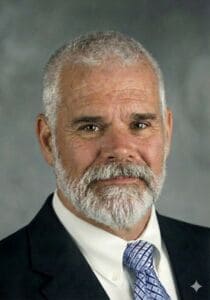 Jim Settle, PhD
Why do you want to serve as Treasurer for ASCA?
I am honored to serve as the current Treasurer and enjoy the work to support the operations and success of the Association in that role. I’m asking for an additional two-year term to complete the goals I’ve set to ensure our Association is financially stable, able to withstand economic turmoil, and spending our dues and other income in the best possible ways. I also want to continue my contributions to our Association, serving on the Executive Committee and assisting the past, present, and future Presidents helping to guide our Association into the future.
I strongly believe the mission and work of both the Association and each of us in this profession is critical to the development of our students and our future. Serving as Treasurer helps me to support both by using my skills, abilities, and experiences to continue financial strength of the Association as it supports each of us. I hope to serve as Treasurer to support the Association’s growth and development as we continue our mission of advocacy, belonging, education, inclusion, and wellbeing for this profession and for our membership.
I’ve worked with ASCA for many years, including when I was a graduate student at Bowling Green State University. During my time with ASJA/ASCA, I have truly valued the importance of a member-led Association working to support, educate, develop, and encourage the professionals who work in conduct and conduct-related fields throughout higher education around the world.
I’m involved in many ways with the Association, including serving to support Student Conduct 101/201/301 series, helping with consulting services, serving as a mini-track Gehring Institute faculty member, and serving as a leader for Region 7 and on several committees. I’ve served as Treasurer for the past two years. I’ve advocated for our profession and our Association, working to help the Board of Directors, paid staff, and other leaders to make decisions in the best interest of our Association
What skills, experiences, and attributes do you possess that will help you succeed as Treasurer?
I have substantial budget, fund accounting, and fiscal management experience, working to support residential learning environments, serving as the VPSA for a small regional university, managing many types of budgets, and a variety of other professional and personal experiences. I’ve also managed budgets for non-profit community organizations. I’ve successfully written grants for both professional experiences and community-based experiences. I am detail-oriented and committed to supporting the ASCA mission while maintaining a focus on our membership and our work to provide a voice across the spectrum of higher education leadership for our work.
As Treasurer, I’ve continued the important work of those who served before me, including most recent past Treasurers Brian Glick, Christina Liang, and many others. I’m involved throughout each week in the operations of the Association and our staff and contracted bookkeepers, accountants, and investment firm to help make sure our Association is meeting our financial goals and managing the regular operations and long-term goals of our investments and funding operations. I provide support, expertise, care, and assistance as the entire Board and other volunteers work to make sure our Association has the financial resources necessary to provide the staffing, resources, and support for each of us as members.
During my time as Treasurer, I’ve helped the Association grow our reserve fund by 39%. Our reserve fund is critically important for the Association to maintain operations in case of financial emergency. This balance moves us to being able to sustain operations of the Association for one year if there was an emergency. I’ve also increased Treasurer auditing and support of regular expenditures and enhanced communication with both Association staff and vendors.
I’ve worked as a Vice President, Dean, Director, Professor, and just about every other title imaginable in higher education, at one point or another. I’m fortunate to have worked at public, private, large, small, regional, and national institutions. Most importantly, I’ve been privileged to meet so many exceptional higher education and student affairs professionals who care deeply for the work we do, the impact we have, and the future of our world.
With my partner, we own a 15-acre farm in rural North Carolina where we play with the dog, the fish and other wildlife, and try to develop (and use) “farmer ingenuity” to fix, to persist, and to problem-solve by “making it work.” All of these are lessons and experiences which will help support working with Association leaders and members who develop and make creative solutions to “make it work” as we make a difference every day, all across North America and beyond.
Why do you want to serve on the ASCA Board of Directors?
I strongly believe the mission and work of both the Association and each of us in this profession is critical to the development of our students and our future. Serving as Treasurer helps me to support both by using my skills, abilities, and experiences to continue financial strength of the Association as it supports each of us. I hope to serve as Treasurer to support the Association’s growth and development as we continue our mission of advocacy, belonging, education, inclusion, and wellbeing for this profession and for our membership.
Why did you become involved in the Association, and what has your involvement looked like over time?
I’ve worked with ASCA for many years, including when I was a graduate student at Bowling Green State University. During my time with ASJA/ASCA, I have truly valued the importance of a member-led Association working to support, educate, develop, and encourage the professionals who work in conduct and conduct-related fields throughout higher education around the world.
I’m involved in many ways with the Association, including serving to support Student Conduct 101/201/301 series, helping with consulting services, serving as a mini-track Gehring Institute faculty member, and serving as a leader for Region 7 and on several committees. I’ve served as Treasurer for the past two years. I’ve advocated for our profession and our Association, working to help the Board of Directors, paid staff, and other leaders to make decisions in the best interest of our Association.
Please share any relevant professional or lived experiences that may speak to your ability to lead within the Association.
As Treasurer, I’ve continued the important work of those who served before me, including most recent past Treasurers Brian Glick, Christina Liang, and many others. I’m involved throughout each week in the operations of the Association and our staff and contracted bookkeepers, accountants, and investment firm to help make sure our Association is meeting our financial goals and managing the regular operations and long-term goals of our investments and funding operations. I provide support, expertise, care, and assistance as the entire Board and other volunteers work to make sure our Association has the financial resources necessary to provide the staffing, resources, and support for each of us as members.
I’ve worked as a Vice President, Dean, Director, Professor, and just about every other title imaginable in higher education, at one point or another. I’m fortunate to have worked at public, private, large, small, regional, and national institutions. Most importantly, I’ve been privileged to meet so many exceptional higher education and student affairs professionals who care deeply for the work we do, the impact we have, and the future of our world.
With my partner, we own a 15-acre farm in rural North Carolina where we play with the dog, the fish and other wildlife, and try to develop “farmer ingenuity” to fix, to persist, and to problem-solve by “making it work.” All of these are lessons and experiences which will help support working with Association leaders and members who develop and make creative solutions to “make it work” as we make a difference every day, all across North America and beyond.
Please describe how you will work to advance ASCA’s core values.
As Treasurer, I support our Association’s core values by maintaining budgets, expenditures, planning, and business operations to ensure receipt and distribution of funds to meet the values and operations of the Association. I work closely with other board members, central office staff, task force leaders, and Association leaders to support our events, activities, educational functions, and growth.
I strive daily to meet the components of our core values in many different ways. I advocate for our students, colleagues, staff, and profession. I live professionally and personally to develop and increase understandings and practices of inclusion, equity, and justice. Values of belonging and wellbeing are central our own individual needs and success, and also to the success of those around us. Learning and education are the most important ways to support our success personally and professionally ; the work ASCA does to educate and develop our members is an important core value and critical to our mission.
During my time as Treasurer, I’ve helped the Association grow our reserve fund by 39%. Our reserve fund is critically important for the Association to maintain operations in case of financial emergency. This balance moves us to being able to sustain operations of the Association for one year if there was an emergency. I’ve also increased Treasurer auditing and support of regular expenditures and enhanced communication with both Association staff and vendors.
What role do you think you will play on the Board, and how will it contribute to the Association’s mission and values?
I expect my role on the Board will be to continue the work with finances, systems, processes, and relationships which support the Association. Some of that work is similar to much of my role in working with the staff, members, and initiatives in ASCA over the past seven years: a collaborator, a communicator, a supporter, and a thought partner. I strive to find laughter and fun every day, which can sometimes be challenging with the work we do, making the wellbeing values important for each of us.
I will support our Association’s growth and development through a focus on the mission and values, supporting and expanding our signature events and activities, and working to help every member belong and feel at home at ASCA.
Goals for FY27-FY29:
1. Increased Revenue Generation: I will work closely with the Board of Directors and ASCA staff to focus efforts on increasing revenue generation for our Association without increasing membership dues. This revenue generation will include greater accessibility and focus on educational events which provide educational and developmental opportunities for our Association members while limiting future increases. I will work closely with the Board and staff to support expansion of our consulting operations, which benefits our institutions and members who volunteer as consultants – and returns funds back to our Association. Similarly, expanding support for regional and state meeting conferences helps to build collegiality and support the Association while
2. Appropriate Oversight and Review: I’ve proposed several changes to the Association’s operations which will increase review and auditing of expenditures, focusing on making sure funds raised through memberships, webinars, institutes, and other operations are being used in the most economical and best ways possible, keeping us operating efficiently and effectively.
3. Reserve Fund Growth: I will continue the work of growing the reserve fund to a full 18 months of Association operation, which protects our operations as a zero-budget, non-profit organization which is very susceptible to year-to-year financial stresses.
The ASCA Board of Directors recently released professional guidance via the Student Conduct Knowledge and Skills. How would you, in your position on the ASCA Board of Directors, contribute to the infusion of the priorities outlined in this project throughout the Association?
I currently contribute to the knowledge and skills and to the work of educating our members through service as a faculty member for Student Conduct 101/201/301 and Gehring. The developed curriculum and courses are focused on the Knowledge and Skills documents, incorporating focus on several of the knowledge areas in multiple phases. I also utilize the K&S documents when working with
As a Board member, I hope to stay involved with Student Conduct 101/201, and to intentionally include and expand the implementation of knowledge and skills throughout our work as Board members and as an Association.
Director-at-Large, Historically Under-Represented Institutions (Term Beginning 2027)
Director At-Large Responsibilities
- Serve in accordance with applicable sections of the all governance documents of the Association.
- The Directors At-Large shall serve on the Board of Directors and perform such duties as are recommended by the President and approved by a majority vote of the Board of Directors, including working as a liaison with the regional, communities of practice, and/or committee representatives.
- Six Directors-at-Large shall be elected by the Association membership. Three of the Directors-at-Large shall be designated with representation from the following institution types: Small Institutions (under 5,000 students), Historically Underrepresented Institutions, and Community Colleges, including Technical Colleges or similar institutions.
- Collaborate with the Director of Equity and Inclusion to meet the needs of their designated constituency groups, if applicable.
- Advocate the needs and concerns of members to Association leadership.
- Serve as the Board Liaison to assigned Communities of Practice, Committees, Regions or other designated entities.
To review full position description, click here.
 Mary Zuchovicki
 Mary Zuchovicki
My approach to advocacy would center on representation, engagement, and sharing of institutional expertise. Historically underrepresented institutions bring critical perspectives to the field of student conduct administration, yet those perspectives are not always reflected in national conversations. As Director At-Large, I would work to ensure that practitioners from Hispanic-Serving Institutions, HBCUs, Tribal Colleges, and other minority-serving institutions have meaningful opportunities to contribute to discussions that shape our profession.
Throughout my career, I have intentionally built connections across institutional types through my serve as ASCA Florida Liaison and ASCA Region 8 Chair. In these roles, I collaborated with professionals from community colleges, minority-serving institutions, and large public universities while leading volunteer teams, supporting professional development initiatives, and expanding member engagement across diverse geographic regions. These experiences reinforced the importance of creating spaces where practitioners can learn from one another and bring forward the challenges and innovations unique to their institutions.
As a Board member, I would prioritize listening to professionals working in historically underrepresented institutions and translating those perspectives into actionable recommendations for Association leadership. I believe effective advocacy begins with relationship-building. By maintaining consistent communication with members, Communities of Practice, and regional leaders, I can help ensure that emerging issues, resource gaps, and professional development needs are identified and elevated to the Board level.
I would also advocate for increased visibility of successful practices emerging from historically underrepresented institutions. In my role at Valencia College, I have led several institution-wide initiatives, including the development of a four-tiered threat assessment and threat management structure, policy redesign efforts, and cross-functional case management systems. These experiences have shown me that some of the most innovative solutions in higher education emerge from institutions that must serve large, diverse student populations while maximizing limited resources. Sharing those strategies through conference programming, publications, and Communities of Practice can strengthen the profession as a whole.
Finally, I would advocate for leadership development and pathways to involvement within ASCA. Many professionals at historically underrepresented institutions bring valuable expertise but may not always see themselves represented in Association leadership. Having benefited from opportunities to serve at both the state and regional levels, I am committed to helping identify, mentor, and encourage future leaders so that ASCA’s leadership pipeline continues to reflect the diversity of the students and institutions we serve.
As Director At-Large, I would strive to be both a representative and a connector, ensuring that the voices, experiences, and innovations of historically underrepresented institutions are heard, valued, and incorporated into the future direction of ASCA.
I am seeking the opportunity to serve on the ASCA Board of Directors because ASCA has been one of the most influential organizations in my professional development, leadership growth, and commitment to the student conduct profession. Throughout my career, ASCA has provided mentorship, professional connections, leadership opportunities, and learning experiences that have shaped how I serve students and institutions today. Board service represents an opportunity to give back to an organization that has invested significantly in my growth while helping advance the profession for future practitioners.
My commitment to ASCA is demonstrated through years of volunteer leadership, including service as ASCA Florida Liaison, Region 8 Chair, conference presenter, Drive-In Chair, Gehring Academy faculty member, and mentor to emerging professionals. These experiences have allowed me to build relationships across the country, develop leadership skills, and gain a deeper understanding of the opportunities and challenges facing the Association. They have also reinforced the importance of professional development, member engagement, and fostering a strong sense of community among conduct professionals.
I believe I bring a valuable perspective to the Board through a professional background that spans community colleges, a Hispanic-Serving Institution, large public universities, student conduct administration, behavioral intervention, Title IX, violence prevention, academic integrity, and policy development. As Director of Student Rights and Responsibilities at Valencia College, I lead institution-wide efforts related to student conduct, behavioral intervention, threat assessment, policy implementation, and student dispute resolution. This work provides insight into the increasingly complex issues facing students, institutions, and practitioners.
What excites me most about Board service is the opportunity to help shape the future of the profession. Higher education continues to evolve in response to challenges related to student mental health, behavioral intervention, free expression, artificial intelligence, accountability processes, and institutional compliance. ASCA plays a critical role in supporting professionals as they navigate these changes, and I would welcome the opportunity to contribute to strategic discussions that ensure the Association remains responsive, relevant, and impactful.
Finally, I am motivated by a commitment to servant leadership. I believe effective leaders listen, build connections, create opportunities for others, and ensure diverse perspectives are represented in decision-making. Throughout my career and volunteer service, I have focused on mentoring professionals, building collaborative relationships, and advancing shared goals. Serving on the Board would allow me to continue that work on a broader scale while advocating for members and strengthening ASCA's impact across the profession.
ASCA has played a meaningful role in my professional journey, and I would be honored to contribute my experience, leadership, and passion for student conduct administration to the Board of Directors in service of the Association and its members.
My involvement with ASCA began as a new professional seeking knowledge, mentorship, and a community of practitioners committed to student conduct administration. Early in my career, I attended conferences to learn from experienced colleagues and better understand the complexities of the profession. What I found was more than a professional association. ASCA provided a network of individuals who challenged one another to grow, shared expertise openly, and invested in the development of emerging professionals.
As I gained experience, I became more engaged in the Association by presenting at conferences and sharing lessons from my professional practice. Presenting allowed me to transition from learner to contributor while participating in meaningful conversations with practitioners from diverse institutional settings. These experiences strengthened my appreciation for professional knowledge-sharing and the role practitioner-led education plays in advancing the field.
My involvement soon expanded into volunteer leadership. I first served as ASCA Florida Liaison, connecting professionals across the state and supporting local engagement efforts. This experience sparked a deeper commitment to the Association and led to my service as Region 8 Chair. Through these leadership roles, I supported member engagement, leadership development, regional programming, and volunteer coordination. More importantly, I developed relationships with professionals from a wide range of institutions and career stages, gaining valuable experience leading through collaboration, service, and shared purpose.
A pivotal point in my ASCA journey was attending Gehring Academy in the Mid-Level and Aspiring Director track. At the time, I was preparing for increased leadership responsibilities and looking for guidance on supervision, organizational change, and strategic leadership. The experience provided invaluable mentorship and practical tools that continue to influence my work as a director today. Gehring strengthened my confidence as a leader and helped shape my approach to team development, organizational effectiveness, and student-centered decision-making.
As my career progressed, I had the opportunity to return to Gehring Academy as a faculty member within the Organizational Misconduct track. Serving as faculty was particularly meaningful because it represented a full-circle moment in my professional journey. After benefiting from the mentorship and expertise of ASCA leaders, I was able to support professionals navigating their own leadership development and contribute to the growth of future leaders in the field.
Today, I view my ASCA involvement as a progression from learning, to leading, to serving others. What began with attending conferences and seeking mentorship evolved into presenting, serving in state and regional leadership roles, and helping develop professionals through Gehring Academy. Each experience has reinforced my commitment to ASCA's mission and demonstrated the power of professional communities to foster growth, connection, and leadership development.
The relationships, experiences, and opportunities I have gained through ASCA have significantly shaped my professional journey. They continue to influence how I lead, mentor others, and contribute to the advancement of the student conduct profession.
Professionally, I bring experience from multiple institution types, including community colleges, a Hispanic-Serving Institution, and large public universities. My work has spanned student conduct, academic integrity, behavioral intervention, threat assessment, violence prevention, Title IX, student advocacy, compliance, and policy development. As Director of Student Rights and Responsibilities at Valencia College, I lead institution-wide efforts related to student conduct, student disputes, behavioral assessment, threat management, and policy implementation while partnering with stakeholders across academic and student affairs.
One of the most significant leadership experiences in my current role has been developing systems that foster collaboration across traditionally separate areas of the institution. I established Valencia College's four-tiered threat assessment and threat management framework and helped build coordinated processes involving Security, Counseling, Academic Affairs, Student Affairs, General Counsel, and other campus partners. This work required bringing together diverse perspectives, facilitating consensus, and maintaining a focus on student success and campus safety. These same skills are critical for effective Board service and organizational leadership.
My leadership growth has also been shaped by extensive involvement within ASCA. Over the years, I progressed from conference attendee to presenter, then to Florida Liaison, Region 8 Chair, Drive-In Chair, and Gehring Academy faculty member. Through these roles, I have supervised volunteers, mentored emerging professionals, coordinated programs and initiatives, and collaborated with colleagues from a wide range of institutions and professional backgrounds. These experiences strengthened my ability to build engagement, foster relationships, and represent the interests of diverse constituents.
My lived experiences have further influenced how I lead. As a working mother pursuing a Ph.D. while serving in a senior leadership role, I understand the challenges of balancing professional responsibilities, personal commitments, and long-term goals. These experiences have reinforced the importance of empathy, adaptability, resilience, and creating environments where individuals feel supported and valued.
Ultimately, my leadership philosophy aligns closely with ASCA's commitment to community, learning, and professional growth. I view leadership as service rather than position. Effective leaders create opportunities for others, build meaningful connections, and ensure diverse perspectives are represented in decision-making. Whether mentoring new professionals, developing innovative institutional practices, supervising teams, or serving in volunteer leadership roles, I have remained focused on helping others succeed while advancing shared goals. I would bring that same commitment to service, collaboration, and stewardship to the ASCA Board of Directors.
Please describe how you will work to advance ASCA’s core values.
The reason I have remained actively involved in ASCA throughout my career is that the Association's Principles and Practices closely align with my own professional values. The document identifies integrity as the foundation of our profession and highlights autonomy, beneficence, justice, nonmalfeasance, and fidelity as guiding principles for ethical student conduct practice. These principles have consistently shaped how I approach leadership, decision-making, and service to students and colleagues.
At my core, I am a collaborative and relationship-centered leader. I believe the best outcomes occur when individuals feel heard, respected, and empowered to contribute their expertise. Throughout my career, I have led multidisciplinary teams, facilitated policy development initiatives, and built partnerships across academic and student affairs. Whether establishing Valencia College's four-tiered threat assessment and threat management framework or redesigning institutional dispute resolution processes, I have focused on bringing people together around shared goals while honoring diverse perspectives. This approach reflects ASCA's principle of autonomy by recognizing individual contributions while advancing broader institutional objectives.
I am equally committed to the principles of beneficence and justice. These values have guided my work in student conduct, academic integrity, behavioral intervention, and student advocacy. ASCA emphasizes treating students as individuals with both rights and responsibilities while creating opportunities for learning and development. Throughout my career, I have worked to ensure conduct processes are educational, equitable, and grounded in fairness. I believe accountability and support are complementary, not competing, values. Together, they help students learn from challenges while preserving community standards and fostering personal growth.
Another principle that strongly resonates with me is fidelity, or trustworthy conduct. Trust is essential to effective leadership and meaningful professional relationships. Colleagues often describe me as approachable, transparent, and dependable. Whether supervising staff, mentoring emerging professionals, or collaborating with campus partners, I prioritize clear communication, accountability, and follow-through. I believe leaders build trust by listening first, honoring commitments, and creating environments where people feel valued and supported.
My leadership style is also grounded in continuous learning and professional development. Throughout my involvement with ASCA, I have progressed from conference attendee to presenter, Florida Liaison, Region 8 Chair, and Gehring Academy faculty member. Each experience provided opportunities to learn from colleagues, share knowledge, mentor professionals, and contribute to the Association's growth. These experiences reinforced the value of lifelong learning and the importance of investing in the development of others.
Ultimately, I lead with a servant-leadership philosophy. I believe leadership is not defined by position but by the ability to create opportunities for others to succeed. As an ASCA Board member, I would advance the Association's values by promoting ethical practice, fostering meaningful member engagement, supporting leadership development, and ensuring diverse perspectives are represented. By leading with integrity, collaboration, empathy, and fairness, I hope to contribute to an Association that continues to strengthen both its members and the students they serve.
As Director At-Large for Historically Underrepresented Institutions, I would serve as both an advocate and connector, ensuring the experiences, challenges, and successes of professionals working at Hispanic-Serving Institutions, HBCUs, Tribal Colleges, and other minority-serving institutions are reflected in ASCA's conversations, priorities, and future direction. My goal would be to elevate diverse institutional perspectives while strengthening collaboration across the broader ASCA community.
Throughout my career, I have worked in environments where access, inclusion, and student success are central to the institutional mission. As Director of Student Rights and Responsibilities at Valencia College, a Hispanic-Serving Institution, I have led policy development, behavioral intervention initiatives, and cross-functional partnerships designed to support diverse student populations while maintaining fair, educational, and student-centered conduct processes. These experiences have reinforced the importance of recognizing how institutional context shapes student affairs practice and why professional associations must create space for a wide range of perspectives.
In this role, I would contribute to ASCA's mission by actively engaging professionals from historically underrepresented institutions and helping connect them with meaningful opportunities for involvement, leadership, mentorship, and professional development. My own growth within ASCA has been shaped by conferences, regional leadership experiences, and Gehring Academy, and I understand the impact these opportunities can have on a professional's career trajectory. I want to ensure that practitioners from underrepresented institutions view ASCA as a community where their experiences are valued, their expertise is recognized, and their voices influence the future of the profession.
My leadership style aligns strongly with ASCA's commitment to belonging, inclusion, and member engagement. I believe effective advocacy begins with listening. As Director At-Large, I would seek regular input from members, Communities of Practice, and institutional representatives to better understand emerging challenges and opportunities. By bringing those perspectives to Board discussions, I would help ensure that ASCA's initiatives, resources, and strategic priorities reflect the diversity of institutions and professionals it serves.
I am also committed to developing future leaders. Throughout my ASCA involvement as a presenter, Florida Liaison, Region 8 Chair, Drive-In Chair, and Gehring Academy faculty member, I have focused on creating opportunities for engagement, mentorship, and professional growth. As a Board member, I would continue fostering pathways for involvement and leadership, particularly for professionals who may not traditionally see themselves represented in association leadership.
Finally, I would work to elevate innovative practices emerging from historically underrepresented institutions. These campuses often develop creative, student-centered approaches to conduct administration, behavioral intervention, conflict resolution, and student support. By highlighting these practices, ASCA can leverage the collective expertise of its members and strengthen the profession as a whole.
Ultimately, I view this position as an opportunity to serve as a bridge between historically underrepresented institutions and Association leadership while advancing ASCA's commitments to advocacy, belonging, inclusion, and professional excellence through collaboration, relationship-building, and servant leadership.
The ASCA Student Conduct Knowledge and Skills Framework provides an important foundation for the continued growth and professionalization of our field. If elected to the Board of Directors, I would focus not only on increasing awareness of the framework but also on helping members integrate it into professional development, leadership pathways, and everyday practice.
One of the framework's greatest strengths is that it establishes a shared language for the competencies required in student conduct administration. Throughout my career, I have worked across student conduct, academic integrity, behavioral intervention, threat assessment, Title IX, violence prevention, policy development, and student advocacy. These experiences have reinforced the importance of helping professionals understand how competencies develop over time and how they can intentionally build expertise throughout their careers.
As a Board member, I would advocate for embedding the framework into professional development opportunities across the Association. Whether through conferences, webinars, Communities of Practice, regional programming, drive-ins, or Gehring Academy, ASCA can help members connect learning opportunities directly to the competencies identified within the framework. Doing so would enable practitioners to assess their strengths, identify growth areas, and create intentional plans for professional development.
I also believe the framework can serve as a valuable tool for leadership development. My own ASCA journey evolved from attendee to presenter, Florida Liaison, Region 8 Chair, Drive-In Chair, and Gehring Academy faculty member. At each stage, different competencies became increasingly important, including communication, ethical decision-making, relationship building, strategic thinking, supervision, and organizational leadership. ASCA can continue using the framework to help members understand how volunteer leadership opportunities contribute to professional growth while cultivating future leaders for the Association and the profession.
As a candidate for Director At-Large for Historically Underrepresented Institutions, I would also prioritize ensuring the framework remains relevant across diverse institutional contexts. Professionals working at Hispanic-Serving Institutions, HBCUs, Tribal Colleges, community colleges, and other minority-serving institutions often apply conduct competencies in environments that differ from traditional residential campuses. As a leader at Valencia College, a Hispanic-Serving Institution, I understand the importance of ensuring ASCA's resources and examples reflect the broad range of institutions represented within our membership.
Additionally, I would encourage supervisors to incorporate the framework into onboarding, mentoring, performance development, and succession planning. In my current role, I regularly work with staff to identify strengths, develop new skills, and prepare for future leadership opportunities. The framework provides a valuable structure for those conversations and supports intentional career development.
Ultimately, I view the Student Conduct Knowledge and Skills Framework as a practical tool for advancing ASCA's mission of educating, developing, and supporting student-centered conduct professionals. As a Board member, I would work to ensure the framework remains accessible, relevant, and integrated into professional growth, leadership development, mentorship, and institutional effectiveness across the diverse communities ASCA serves.
Director-at-Large Small Institutions (Term Beginning 2027)
Director At-Large Responsibilities
- Serve in accordance with applicable sections of the all governance documents of the Association.
- The Directors At-Large shall serve on the Board of Directors and perform such duties as are recommended by the President and approved by a majority vote of the Board of Directors, including working as a liaison with the regional, communities of practice, and/or committee representatives.
- Six Directors-at-Large shall be elected by the Association membership. Three of the Directors-at-Large shall be designated with representation from the following institution types: Small Institutions (under 5,000 students), Historically Underrepresented Institutions, and Community Colleges, including Technical Colleges or similar institutions.
- Collaborate with the Director of Equity and Inclusion to meet the needs of their designated constituency groups, if applicable.
- Advocate the needs and concerns of members to Association leadership.
- Serve as the Board Liaison to assigned Communities of Practice, Committees, Regions or other designated entities.
To review full position description, click here.
 Dr. Dorothea Mack
 Dr. Dorothea Mack
The student experience at a small institution is unique because of the close-knit nature of the campus community and the interconnected relationships among students, faculty, and staff. Students are often known by name, interact with the same professionals across multiple areas of campus life, and develop relationships with administrators that extend beyond a single office or interaction. This creates opportunities for highly individualized support, but it also requires institutions to be intentional about maintaining consistency, fairness, and appropriate boundaries.
The ASCA Knowledge & Skills area of Education is particularly relevant to the small-institution experience. At a small institution, student conduct professionals often have responsibilities that extend beyond traditional conduct administration. They may also work in housing, student support, Title IX, CARE, student engagement, or other areas. As a result, educating students about expectations, accountability, and the purpose of the conduct process is not limited to a formal hearing or conduct meeting. Education occurs through everyday interactions and through collaboration with colleagues across the institution.
This environment also creates a unique opportunity to make student conduct more developmental and relational. Because professionals may continue interacting with students after a conduct matter has been resolved, accountability does not have to end with an outcome letter. There can be opportunities for follow-up conversations, reflection, connection to resources, and continued support. Students can see that accountability and support are not competing concepts; both can be part of their educational experience.
At the same time, small institutions face challenges that larger institutions may experience differently. Limited staffing and resources can require professionals to serve in multiple roles, and students may perceive processes differently when they already know the individuals involved. Clear communication about roles, expectations, confidentiality, and processes is therefore essential.
My experience working at a small institution has reinforced my belief that our size should not be viewed simply as a limitation. It can be a strength. Small institutions can create educational conduct processes in which students are known, relationships matter, and accountability is connected to learning and continued engagement with the community. As Director at Large for Small Institutions, I believe it is important to ensure these experiences are represented within ASCA and that professionals at small institutions have educational resources and practices that recognize the realities and opportunities of their campuses.
How do you plan on advocating for the unique needs of small institutions as an ASCA Board Member?
As Director at Large for Small Institutions, I plan to continue advocating for the needs of professionals who often work with limited resources, smaller staffs, and responsibilities that extend well beyond student conduct. Serving on the ASCA Board has given me an opportunity to bring that perspective to the table, and I want to continue making sure the experiences of small institutions are represented.
Internal and External Partnerships is an important ASCA Knowledge & Skills area for small institutions. On a smaller campus, collaboration is essential. Conduct professionals may work closely with Housing, Title IX, CARE, campus safety, counseling, academic affairs, and other areas because we may not have separate staff members for every function. In many cases, we are also serving in more than one of these roles ourselves.
I want to advocate for training, resources, and conversations that are practical for institutions of all sizes. A practice that works well for an institution with a large conduct office may not work the same way for a campus with one or two people managing conduct along with other responsibilities. Small institutions need opportunities to share what is working, learn from one another, and build relationships with colleagues who understand those challenges.
I also want to continue listening to small-institution members and bringing their concerns and ideas to the Board. Small institutions may have fewer resources, but we also have strengths. We are often creative, flexible, collaborative, and able to build strong relationships with students and colleagues across campus.
If reelected, I will continue working to make sure small-institution professionals have a voice within ASCA and that the Association’s resources and opportunities reflect the different environments in which our members do this work.
Why do you want to serve on the ASCA Board of Directors?
I want to continue serving on the ASCA Board of Directors because I value the opportunity to contribute to an organization that has played an important role in my professional growth. Serving on the Board over the past two years has allowed me to connect with colleagues from across the country, learn from different perspectives, and better understand the needs of professionals working at institutions of all sizes.
As Director at Large for Small Institutions, I have especially valued the opportunity to represent professionals who often work with smaller teams, limited resources, and responsibilities that extend beyond student conduct. I understand those challenges because I experience them in my own work. I also know that small institutions bring creativity, strong partnerships, and a willingness to work across traditional functional areas.
I want to continue making sure those experiences are part of ASCA’s conversations and decisions. I also want to give back to a profession and an association that have provided me with valuable relationships, resources, and opportunities throughout my career.
Serving on the Board has been both meaningful and rewarding, and I believe there is more work I can contribute. I would be honored to continue representing small institutions and supporting ASCA’s work on behalf of its members and the student conduct profession.
Why did you become involved in the Association, and what has your involvement looked like over time?
I became involved with ASCA because I wanted to learn more about the student conduct profession and connect with others doing similar work. Over the years, ASCA has become an important part of my professional development and has given me opportunities to build relationships with colleagues, exchange ideas, and learn how other institutions approach student conduct.
My involvement has grown over time. I currently serve as Director at Large for Small Institutions, where I have been able to bring the perspective of professionals working at smaller institutions to the Board. Serving in this role has also encouraged me to become more involved in other areas of the Association.
This past year, I wrote an article for ASCA’s Reflections magazine and participated on four panels at the February 2026 Annual Conference. I also have an upcoming webinar in November that will be open to all ASCA members. These opportunities have allowed me to share some of my own experiences while also learning from other professionals.
One of the things I value most about ASCA is the relationships I have developed. I can reach out to colleagues when I have a question, need another perspective, or simply want to talk through an issue with someone who understands the work.
I originally became involved with ASCA because I wanted to learn and grow. I have stayed involved because I value the community and want to give back to an organization that has given me so much throughout my career.
Please share any relevant professional or lived experiences that may speak to your ability to lead within the Association.
My more than 17 years of experience in higher education have given me the opportunity to lead in different roles, work with a wide range of students and professionals, and understand how important relationships and collaboration are to this work. My experience includes student conduct, Title IX, student support, and administration, and I currently serve as an Associate Dean of Students at New College of Florida.
More recently, I took on the additional responsibility of serving as Interim Director of Housing while continuing my responsibilities within the Dean of Students Office. Taking on both roles has required me to manage competing priorities, support staff through change, make difficult decisions, and work closely with different areas across campus. It has also reminded me that leadership is not always about having all the answers. Sometimes it is about listening, asking the right questions, being willing to make a decision, and adjusting when something is not working.
My current service as Director at Large for Small Institutions has also helped me grow as a leader within ASCA. I have had the opportunity to participate in Board discussions, work with colleagues from different institutions, and represent the experiences of professionals working at smaller institutions. I have also contributed to ASCA through conference panels, an article in Reflections, and an upcoming member webinar.
One of the most important things I bring to leadership is a willingness to work with people who may have different experiences or perspectives than my own. I believe good leadership requires listening, collaboration, follow-through, and being willing to have difficult conversations when necessary.
I would bring that same approach to continued service within ASCA. I understand the responsibility that comes with serving the membership, and I am committed to doing the work, being present, and contributing wherever I can be most useful.
Please describe how you will work to advance ASCA’s core values.
I will work to advance ASCA’s core values by being an active and engaged Board member, listening to the needs of members, and making sure different institutional experiences are represented in our conversations and decisions.
Education is an important part of how I approach student conduct. I believe conduct should help students understand the impact of their decisions, take responsibility, and learn from the experience. Within ASCA, I want to support educational opportunities that provide members with practical information, resources, and strategies they can use on their own campuses.
Equity and Intentional Inclusion are also important to me. ASCA represents professionals from institutions that differ in size, resources, student populations, and structure. I want to make sure small institutions and professionals who may not have large staffs or extensive resources are considered when ASCA develops programs, resources, and professional development opportunities.
I also believe strongly in Internal and External Partnerships. My work has taught me that we are more effective when we collaborate, share ideas, and learn from one another. I would continue bringing that approach to the Board by building relationships, listening to different perspectives, and working with others to address the needs of our members.
For me, advancing ASCA’s values means being present, doing the work, listening to members, and helping make sure ASCA continues to be a place where professionals feel supported, connected, and able to grow.
What role do you think you will play on the Board, and how will it contribute to the Association’s mission and values?
I see my role on the Board as being an advocate, a connector, and a strong voice for professionals at small institutions. I understand firsthand that professionals at smaller institutions often manage multiple responsibilities, work with limited resources, and may not have a large team of conduct professionals on their campus. I want to make sure those realities are represented in Board conversations and in the work of the Association.
Advocacy is especially important to me. I want to continue listening to members, understanding the challenges they are facing, and bringing those concerns and ideas to the Board. Advocacy also means making sure ASCA’s resources, professional development, and opportunities are useful and accessible to members regardless of the size or resources of their institution.
I also want to contribute to ASCA’s value of belonging. ASCA should be a professional home where members feel connected, supported, and comfortable reaching out to one another. I want to help create those connections, particularly for professionals who may be the only person doing conduct work on their campus or who are new to the profession. Sometimes having a colleague who understands the work and is willing to listen can make a significant difference.
Education, inclusion, and wellness are also connected to how we support our members. I want to help create opportunities for professionals to learn from one another, share practical approaches, and have conversations about both the challenges and successes of our work.
If reelected, I will continue to be present, approachable, and willing to do the work. I want members to know that I will listen, advocate for their needs, and help make sure they feel represented and connected within ASCA.
The ASCA Board of Directors recently released professional guidance via the Student Conduct Knowledge and Skills. How would you, in your position on the ASCA Board of Directors, contribute to the infusion of the priorities outlined in this project throughout the Association?
I believe the Knowledge and Skills should be something members can use in their everyday work, not just a document they reference occasionally. As a Board member, I would support continuing to connect the Knowledge and Skills to ASCA’s training, webinars, conference programs, publications, and other professional development opportunities.
As Director at Large for Small Institutions, I would also bring the perspective of professionals who may be responsible for several areas of the Knowledge and Skills at the same time. At a small institution, one person may be managing conduct cases, conducting investigations, developing policy, training hearing boards, building campus partnerships, and assessing their program. The Knowledge and Skills can be especially helpful in giving those professionals a way to identify their strengths and areas where they want to continue growing.
I would also advocate for practical resources that show members how to apply the Knowledge and Skills on their campuses. This could include training materials, examples from different types of institutions, opportunities for members to share successful practices, and professional development that addresses all eight Knowledge Areas over time.
I also think it is important that we continue listening to members about how they are using the framework and where they need additional support. The Knowledge and Skills should continue to grow with our profession.
My role on the Board would be to help make sure this work remains visible, useful, and accessible to our members, while also making sure the experiences of small institutions are included in how ASCA continues to develop and apply the framework.
Director-at-Large, General (Term Beginning 2027)
Director At-Large Responsibilities
- Serve in accordance with applicable sections of the all governance documents of the Association.
- The Directors At-Large shall serve on the Board of Directors and perform such duties as are recommended by the President and approved by a majority vote of the Board of Directors, including working as a liaison with the regional, communities of practice, and/or committee representatives.
- Six Directors-at-Large shall be elected by the Association membership. Three of the Directors-at-Large shall be designated with representation from the following institution types: Small Institutions (under 5,000 students), Historically Underrepresented Institutions, and Community Colleges, including Technical Colleges or similar institutions.
- Collaborate with the Director of Equity and Inclusion to meet the needs of their designated constituency groups, if applicable.
- Advocate the needs and concerns of members to Association leadership.
- Serve as the Board Liaison to assigned Communities of Practice, Committees, Regions or other designated entities.
To review full position description, click here.
 Carol Millie
 Carol Millie
Why do you want to serve on the ASCA Board of Directors?
At this point in my career, I am increasingly thinking about stewardship, how I can give back to a profession and an Association that has contributed significantly to my growth. Over nearly four decades in higher education, I have witnessed tremendous change while also seeing the foundations of our work remain constant: educating students, fostering accountability, strengthening communities, and helping students learn and grow from mistakes.
I want to bring the experience and perspective I have gained to support professionals doing work that can be complex and, at times, heartbreaking, but that can also profoundly impact students and our communities.
I also believe ASCA is entering another important period of change. Generative artificial intelligence, constrained institutional resources, changing expectations of higher education, and challenges surrounding civil discourse are reshaping our campuses and our work. I want to help steward the Association through these changes while remaining grounded in the values and educational purpose that have long defined our profession.
Why did you become involved in the Association, and what has your involvement looked like over time?
I became involved with ASCA around 2005 because I wanted to learn, grow, and connect with professionals who understood our work. The Association provided learning opportunities, mentorship, friendships, and colleagues with whom I could consult—particularly on days when this work was difficult or heartbreaking.
As my knowledge moved from foundational to more advanced practice, I began looking for opportunities to contribute to the development of others. My involvement has included ASCA conferences, serving on the Title IX Working Group, presenting the webinar “Title IX for Student Organizations,” and most recently serving as faculty for the Student Organization Misconduct Institute. I have also submitted a program proposal for the upcoming annual conference focused on navigating engagement and behavior in learning environments.
My relationship with ASCA has evolved from primarily receiving to increasingly contributing. Board service feels like the next opportunity to continue that progression and give back to the professional community that has supported me for nearly twenty years.
Please share any relevant professional or lived experiences that may speak to your ability to lead within the Association.
Nearly forty years in higher education have allowed me to experience our work from many perspectives and institutional settings. Much of my career has centered on student conduct, progressing through increasingly responsible leadership positions and currently serving as an Assistant Dean and Director of Student Community Standards.
My experience includes Title IX investigation and resolution, alcohol and other drug prevention, hazing prevention, policy development, assessment, staff development, and organizational leadership. More recently, my work has focused on civil discourse, free expression, and the skills needed to engage constructively across differences. I also serve on my university’s Protest Response Team and facilitate professional development related to free expression and navigating engagement in learning environments.
These experiences have shaped how I lead. I have learned to listen before acting, bring together people with different perspectives, ask questions that move groups beyond the immediate issue, and remain grounded in our educational purpose while navigating complexity. Leadership also includes developing others and creating opportunities for them to contribute their knowledge and strengths. And while our work is often serious, I have learned the importance of collegiality, connection, and finding opportunities to laugh together. Strong teams are built not only through the work we accomplish, but through the relationships and sense of belonging we create along the way. I would bring this approach to ASCA, listening to members, contributing my experience while remaining open to new perspectives, and helping the Board move ideas toward thoughtful action.
Please describe how you will work to advance ASCA’s core values.
I see ASCA’s core values as a north star; principles that should be visible not only in what the Association says, but in how we make decisions, develop programs, support members, and engage one another.
For me, Advocacy means helping members tell the story of our work and its educational purpose. Belonging is ensuring ASCA remains a professional home where practitioners at every career stage and from varied institutional contexts can find connection and support. Creating opportunities for lifelong learning and helping members translate knowledge into practice demonstrates the Association’s commitment to Education. Equity & Intentional Inclusion means approaching our work with curiosity and cultural humility while asking whose perspectives may be missing. Wellness recognizes that sustaining practitioners in emotionally demanding work is both an individual and organizational responsibility.
As a Board member, I would bring these commitments to the decisions I make, questions I ask, programs and initiatives I support, and relationships I build with members.
What role do you think you will play on the Board, and how will it contribute to the Association’s mission and values?
I see the Director at Large–General as having a unique opportunity to be a bridge. Because the position is not tied to a specific constituency or institutional type, I would listen across ASCA’s varied communities, identify connections among different perspectives, and help ensure Association decisions consider the breadth of our membership.
I would bring perspective gained from many years in the profession and openness to change. My experience helps me understand where our profession has been, while my commitment to learning keeps me focused on where it needs to go. I hope to be a Board colleague who asks thoughtful questions, brings people and ideas together, mentors and supports others, and helps translate conversation into action.
In doing so, I would work to strengthen ASCA as both a professional home for its members and a leader in advancing the student conduct profession.
The ASCA Board of Directors recently released professional guidance via the Student Conduct Knowledge and Skills. How would you, in your position on the ASCA Board of Directors, contribute to the infusion of the priorities outlined in this project throughout the Association?
I see the Student Conduct Knowledge and Skills not simply as a document, but as a framework that should become visible throughout the member experience. As a Board member, I would advocate for connecting the Knowledge & Skills to conference programs, institutes, webinars, mentoring, and other Association resources so members can see how the framework translates into daily practice.
I would be particularly interested in helping practitioners use the framework developmentally, from professionals building foundational skills to experienced practitioners refining advanced competencies and preparing to lead and mentor others. I would also encourage members to reflect on their strengths, identify areas for growth, and connect those needs with ASCA resources.
Ultimately, successful infusion means members do not simply know the Knowledge & Skills exist; they recognize themselves in the framework and routinely use it to guide their learning, practice, supervision, and professional development.